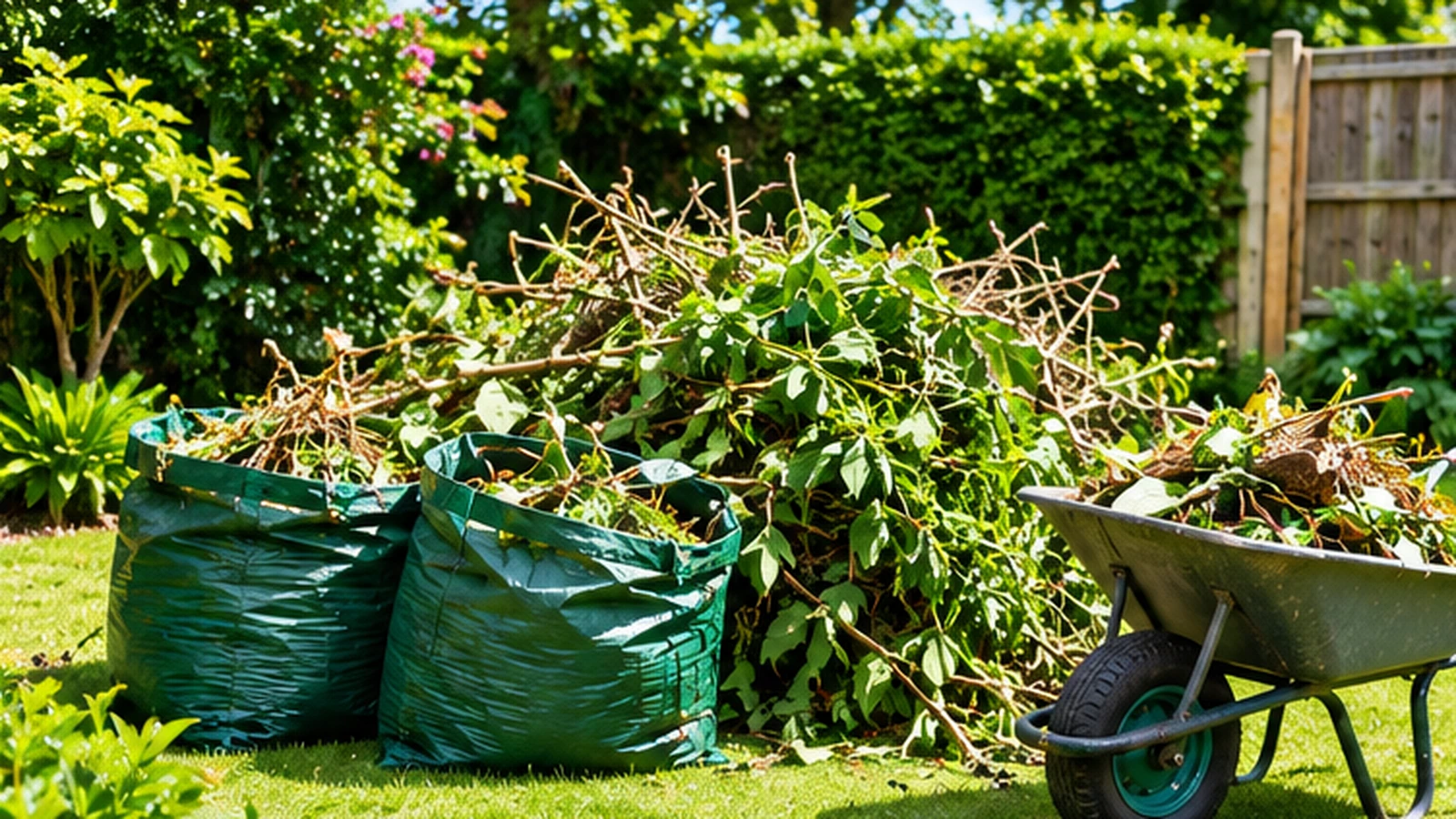
Garden Waste Removal
Branches, trimmings and suitable green waste from residential gardens.
Learn more →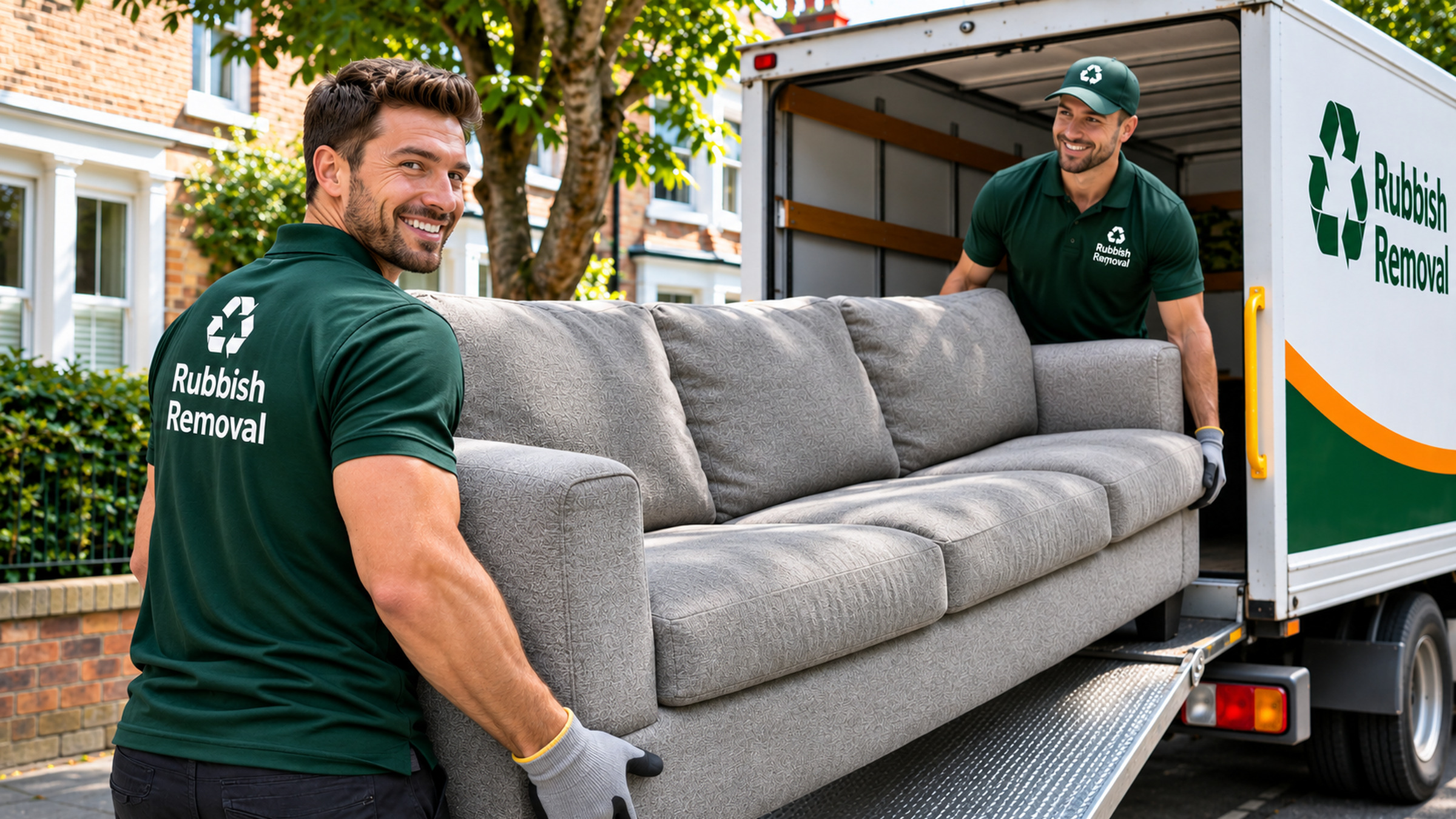
LOCAL · RELIABLE · AFFORDABLE
Practical rubbish clearance for homes and businesses in Putney SW18. From one bulky item to a larger property clearance, tell us what needs collecting.
OUR SERVICES
Branches, trimmings and suitable green waste from residential gardens.
Learn more →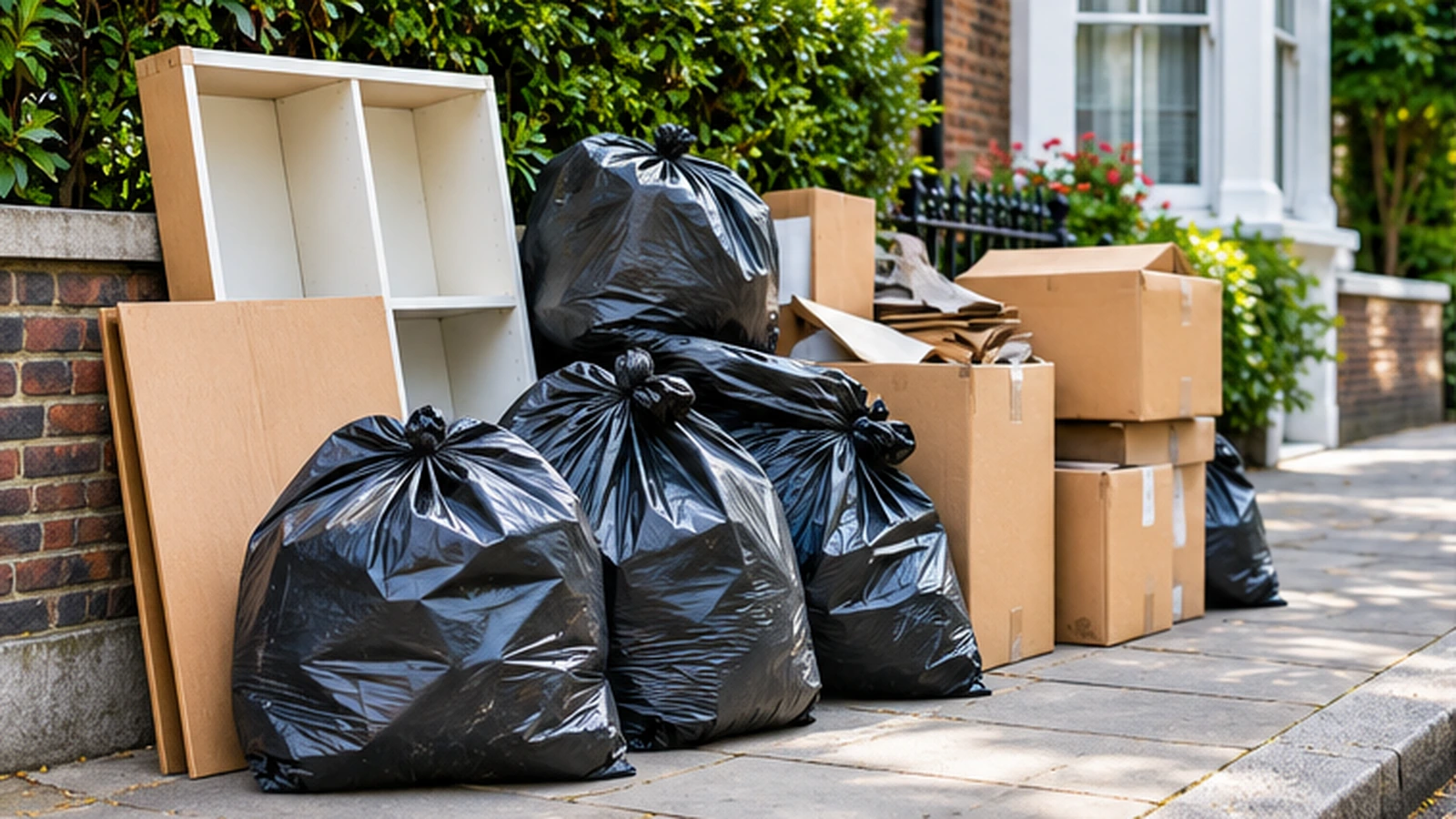


Sofas, wardrobes, tables and other bulky furniture collection enquiries.
Learn more →CLEAR & TRANSPARENT
Published prices include tax and are based on the volume and weight of waste collected. Loading time, weight limits and accepted waste types apply. Request a tailored quotation for your job.

Rubbish removal and garden waste disposal
| Load | Loading | Cu yd | Max weight | Bin bags | Price |
|---|---|---|---|---|---|
| Minimum | 10 min | 1.5 | 100-150 kg | 8 | £90 |
| 1/4 Load | 20 min | 3.5 | 200-250 kg | 20 | £160 |
| 1/2 Load | 40 min | 7 | 500-600 kg | 40 | £250 |
| 3/4 Load | 50 min | 10 | 700-800 kg | 60 | £330 |
| Full Load | 60 min | 14 | 900-1100 kg | 80 | £490 |

Rubbish removal and garden waste disposal
| Load | Loading | Cu yd | Max weight | Bin bags | Price |
|---|---|---|---|---|---|
| Minimum | 10 min | 1.5 | 100-150 kg | 8 | £90 |
| 1/4 Load | 40 min | 7 | 400-500 kg | 40 | £250 |
| 1/2 Load | 60 min | 12 | 900-1000 kg | 80 | £370 |
| 3/4 Load | 90 min | 18 | 1400-1500 kg | 100 | £550 |
| Full Load | 120 min | 24 | 1800-2000 kg | 120 | £670 |
CLEARANCE EXAMPLES


HOW IT WORKS
Share the items to remove, approximate volume, postcode and access information.
We assess your request against the type of waste and the applicable load band.
Confirm the available collection arrangements with the assigned provider.
CUSTOMER FEEDBACK

★★★★★I can't help but commend the workers for their professionalism and efficiency. Their strong work ethic and refreshing personalities were a standout. Thank you, and best wishes for your future endeavors.
★★★★★I called Waste Disposal Putney this morning, and they showed up within the hour to remove my old sofa. The team was courteous, efficient, and prices were great. Highly recommended!
★★★★★Booking was straightforward and they arrived as scheduled. The two rubbish collectors were courteous and professional.
★★★★★Arriving in their van, Junk Removal Service Putney's staff quickly and efficiently cleared away the waste, disposing of it safely.
★★★★☆I received excellent, professional service. Communication was clear, helping the process run smoothly.
★★★★★Couldn't have asked for better movers. The phone operators were professional and sweet, the rates were great, and the movers were prompt and courteous.
★★★★☆Dependable and quick. Clearance was handled efficiently. They arrive when they say. I'm a repeat Junk Collection Putney customer.
★★★★★Quick and professional--arrived within a day and removed the shed with no fuss. Will hire again.
★★★★★The representative came when they said they would, was very supportive, and no issues arose. The site was immaculate afterward. I'd use them again in the future.
★★★★☆We needed the family home cleared for sale, so we booked this team. They listened, delivered cheerfully, and were full of energy throughout. The house was left immaculate, and we were all smiles. Highly recommend.
YOUR QUESTIONS ANSWERED
Published Tipper Van and Luton Van minimum-load prices start at £90 including tax. The total depends on the volume and weight of the waste, the applicable load allowance and the job details. Check the full price tables for each van type.
The two vans have different published volume, weight and loading-time limits. Tipper Van loads range from 1.5 to 14 cubic yards; Luton Van loads range from 1.5 to 24 cubic yards. The right option depends on the waste and collection arrangements.
These are available service enquiry categories. Describe the items before booking so that suitability, restricted materials and the collecting contractor's requirements can be checked.
Short-notice collection may be possible, subject to contractor availability, waste type and property access. We cannot guarantee a same-day slot before confirming arrangements.
Tell us the waste type, approximate volume, SW18 collection postcode, and whether there are stairs, lifts, parking restrictions or other access issues. Photos can help with mixed or bulky loads.
Bookings are coordinated with independent waste contractors. Carrier registration is checked and appropriate paperwork, including a Waste Transfer Note where legally required, must be provided by the collecting contractor.
Rubbish Removal Putney provides practical waste clearance in Putney for homes, flats, gardens and workplaces that need unwanted items taken away with minimum disruption. The service is suited to routine rubbish removal as well as more involved clearances, so customers can arrange help for bulky items, mixed waste and job lots that are awkward to move or dispose of alone. We focus on straightforward collections, sensible sorting and a clear route to a quotation.
Our work can cover general rubbish removal, furniture disposal, garden waste removal, garage clearance, loft clearance and office clearance, with each job shaped around the volume and type of waste involved. Where possible, items are separated for recycling and suitable disposal rather than simply bundled together. If you are comparing options, the services overview gives a useful starting point for understanding how the different clearances fit together.
Customers often want a service that is simple to organise but still attentive to the details that matter: access, item type, lifting, loading and the destination of the waste. We aim to keep the process clear from the first enquiry, whether the work involves a single room, a shared property, a commercial unit or a garden that needs clearing after maintenance. For a quote, you can review our prices page or send a message through the contact page.
Household clearance work often includes mixed items that do not fit neatly into one category. That might mean broken furniture, bagged rubbish, redundant appliances, old storage contents or odds and ends left after a move or refurbishment. A good rubbish removal service needs to handle those items carefully, because the job is not only about lifting but also about deciding what can be removed together and what needs separate treatment. Our approach is intended to make that process simple without overcomplicating the booking.
For larger domestic jobs, it helps to know whether the work is mainly a few bulky items or a fuller property clearance. The difference affects the time needed, the team size and the way waste is loaded. If you are comparing domestic options, our house clearance in Putney page is useful for fuller property work, while furniture-focused jobs may suit furniture disposal. In both cases, the aim is to remove waste efficiently and leave the space ready for its next use.
Useful preparation keeps domestic collections smoother. If you can, group items by room or by type, identify anything that should stay, and make access as clear as possible on the day. A simple list of what needs removing is often enough for an initial estimate, and photographs can help when the waste is bulky or spread across several areas. That is especially helpful for lofts, garages and mixed clearance jobs.
Garden waste removal is one of the most common reasons people arrange a clearance in Putney, especially after pruning, seasonal tidy-ups or a larger landscaping project. Typical items include branches, hedge cuttings, turf, soil in manageable quantities, broken pots, plant containers and general outdoor clutter. Because garden waste can be heavy, damp or mixed with other debris, it is worth separating it from household rubbish where practical so the removal can be planned accurately.
Loft and garage clearances often bring a different challenge: the waste may be light in weight but awkward in shape, or packed into corners where access is limited. These spaces can contain a mix of old boxes, broken household goods, dismantled furniture, decorating remnants and long-kept items that are finally being sorted through. Our loft clearance and garage clearance pages set out those services in more detail, while the general garden-focused option is explained on the garden waste removal page.
For jobs with a wide mix of outdoor and storage items, the key decision is often whether everything should be handled together or divided into separate collections. A single combined visit can suit a clear-out with branches, bags, old tools and household clutter, while a staged approach can be better if some items are staying on site. Either way, the important point is to match the collection to the actual contents rather than force waste into a one-size-fits-all plan. If you are ready to take the next step, ask for a quotation and we will help you shape the job sensibly.
Commercial rubbish removal needs to be dependable, tidy and flexible enough to deal with changing site conditions. Offices may need cleared desks, chairs, filing items or packaging; small premises may need stock, obsolete equipment or day-to-day waste removed; and building projects often generate mixed rubble, offcuts, packaging and redundant fittings. The service has to take account of loading access, working hours and the kind of waste involved, so the collection suits the property rather than interrupting it.
Where waste comes from trade or renovation work, the differences between general rubbish and heavier builders waste matter. A mixed load can include reusable packaging, timber, plasterboard, broken fixtures and items that need more careful separation. Our office clearance and builders waste clearance pages describe those jobs more specifically, while the broader waste removal page covers the general service. Clear classification of the waste helps us choose the right approach before collection begins.
For business customers, planning is usually about reducing interruption. That may mean arranging a clearance after business hours, setting aside items from a refurbishment area or identifying which objects need to remain in place. If you are comparing options, our rubbish collection and junk removal pages can help distinguish straightforward collections from more mixed clearances. The right choice depends less on the label and more on the actual contents and access conditions.
Pricing for rubbish removal usually depends on the amount of waste, the type of material, access to the property and the time required to load everything safely. Heavy waste, awkward access and mixed loads can all affect the scope of the work. Rather than guessing from a distance, we prefer to base a quotation on the details of the job so the price reflects the actual collection. That makes it easier to compare options and avoid unnecessary surprises later.
The pricing and quotes page gives a broader explanation of how quotations are prepared, while the contact page is the most direct route when you want to request one. It helps to note the type of rubbish, the approximate amount and whether anything is especially bulky or difficult to reach. We do not need a long explanation; a few clear facts are usually enough to start the process. If you prefer to check the practical side first, our payment and security information sets out the basics before you book.
When arranging a collection, it is sensible to think about access, parking and whether any items need to be dismantled before removal. Those details do not need to become a major task, but they can affect how smoothly the work proceeds. A short list, a couple of photographs and a clear note about where the waste is located can make the quotation process much quicker. That is often enough for us to assess the job properly.
Rubbish removal is not only about taking items away. It also involves deciding how different materials should be handled once they leave the property. Some waste streams are best kept separate, especially if they contain reusable metal, clean wood, cardboard, green waste or items that need special disposal. Proper sorting can make the collection more efficient and supports a more responsible approach to the waste after removal.
Our recycling and sustainability page explains the general approach to separating suitable materials from residual rubbish. That matters because a mixed clearance is often easier to manage when the obvious categories are identified in advance. For example, garden waste, furniture and office items may all need different handling once collected. Where a customer has a clear idea of what is being removed, the collection can be planned with less wasteful movement and a more practical loading order.
Responsible disposal also means recognising limits. Some items are straightforward to remove, while others may need more careful treatment because of size, composition or condition. If you are unsure whether a particular object belongs in a rubbish collection or a separate clearance, it is usually best to describe it clearly rather than assume it will fit into the wrong category. That small step can save time, avoid confusion and lead to a more accurate quotation.
Rubbish removal works best when the access route is sensible and the contents are ready to move. Stairs, narrow hallways, shared entrances, tight driveways and awkward corners all shape how a collection is carried out. Safety matters for both the property and the people moving the waste, so items should be lifted and loaded in a way that suits their weight and shape rather than being rushed. If the job includes sharp, heavy or unusually sized objects, they may need extra care during handling.
Our insurance and safety page gives general information about the precautions relevant to collections. In practice, the simplest way to reduce complications is to make the waste easy to identify and reasonably accessible before the removal starts. If there are locked areas, steep steps or restricted shared spaces, that should be mentioned during the quotation stage so the work can be planned properly. Access details are often just as important as the waste itself.
For many properties, the best arrangement is the one that keeps disruption low while still allowing everything to be loaded efficiently. That may mean placing items in one room, leaving them by a gate or setting them out where they can be collected without blocking paths. Where several areas are involved, a clear note about which items stay and which go is usually enough to avoid mistakes and keep the job moving in a sensible order.
Putney is a riverside district in southwest London, sitting on the south bank of the Thames within the London Borough of Wandsworth. The area is closely associated with the river crossing at Putney Bridge and with the open spaces that shape its character, including Wandsworth Park along the river and the larger stretch of Putney Heath to the south. Its setting combines residential streets, local shopping areas and views towards the river frontage, giving the district a varied urban profile rather than a single uniform centre. Putney’s built environment includes a mix of Victorian and Edwardian terraces, post-war developments and more recent apartment buildings, especially where the street pattern meets the river or the main transport routes. The High Street and adjacent roads form the commercial core, while the lanes nearer the river and the commons feel calmer and more residential. Putney also has a long sporting association, particularly with rowing, and the annual Boat Race begins nearby at Putney Bridge, linking the district to one of London’s most recognisable river traditions. The area’s transport connections, open spaces and waterfront views have long made it a distinctive part of southwest London, with a local character that is both busy and relatively green. It is a place shaped by movement across the river, by leisure on the commons and embankments, and by the everyday life of neighbourhood shops, schools and homes.
Flats and shared buildings often need a more considerate approach because rubbish must be moved through communal entrances, stairwells and sometimes limited parking areas. The waste itself may be similar to any other household job, but the route to the vehicle can be more complicated. That means the right collection plan needs to account for building rules, lift access where available and the need to keep shared areas tidy during the work.
For many customers, the deciding factor is whether a clearance is genuinely a flat-level job or part of a broader property clean-out. If the work extends beyond a few bags and a piece of furniture, a fuller rubbish clearance may be more suitable than a simple pickup. Mixed properties also come up often, where a garden store, a loft or an outbuilding adds extra waste to the main collection. In those cases, it helps to describe the whole job together so the quotation reflects the real workload.
When waste comes from more than one part of a property, a sensible order of work can make the collection easier. For example, small items can be grouped first, bulky items can be handled separately and any waste that needs special care can be identified before loading begins. That sort of planning keeps the job practical without making the customer do unnecessary preparation.
A quotation request works best when it is based on clear, simple information. The main points are the type of waste, the approximate quantity, where it is located and whether access is straightforward or restricted. If you have more than one area to clear, it is worth separating those details so the job can be assessed accurately. The goal is not to create paperwork, but to give enough information for a fair estimate.
If you want to compare a few routes before deciding, the Putney High Street rubbish removal guide for flats discusses a related flat-based topic, while the general blog contains broader local reading. For direct enquiries, the final step is simple: request a quotation and let us know what needs to be removed. We can then help you decide on the most suitable collection for the work in hand.
If you are ready to move on, use the contact page to ask for a quote today. If you are still comparing the type of job you need, keep the description focused on the waste itself and the property layout, then send it through when ready. Either way, the aim is a clear, practical response and a rubbish removal plan that fits the actual job rather than a generic estimate.