Putney High Street rubbish removal guide for flats
Posted on 14/08/2026
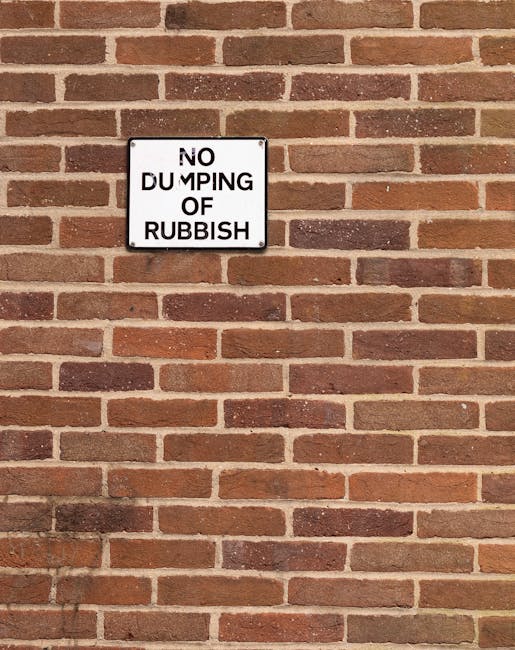
If you live in a flat near Putney High Street, rubbish removal can feel oddly complicated for something so ordinary. One minute you are shifting an old sofa, the next you are checking lift access, wondering where the bulky bags can sit without blocking the corridor, and trying not to annoy the neighbours before breakfast. This Putney High Street rubbish removal guide for flats is here to make the whole thing simpler.
Whether you are clearing a studio after a move, getting rid of renovation debris, or just tackling the slow creep of clutter that builds up in shared living, the right plan saves time, stress, and probably a few sore arms. It also helps you avoid the classic mistakes: overfilling the communal bin store, booking the wrong vehicle size, or assuming everything can be left downstairs. Truth be told, flats need a more careful approach than houses. A little planning goes a long way.
Why Putney High Street rubbish removal guide for flats Matters
Flats along and around Putney High Street tend to have shared access, tighter spaces, and more rules than people expect. That changes everything. Rubbish is not just your problem once it leaves your door; it becomes a shared-space issue if it sits in a hallway, under a stairwell, by the entrance, or near a bin store used by other residents.
There is also the local reality of the area itself. Putney High Street is busy, vehicles can be awkward to park for long, and many flats have awkward stairwells or narrow lifts. If you are carrying down a broken wardrobe or a couple of heavy mattresses, you will notice pretty quickly that a "quick clear-out" can turn into an afternoon project. And nobody wants that on a wet London day when the pavement is crowded and the lift is, naturally, doing its own thing.
Good rubbish removal matters because it protects access, keeps the building tidy, and reduces disputes with neighbours or managing agents. It also helps you choose the right method: a small one-off collection, a full flat clearance, or a more flexible waste removal service. If you are unsure what level of help you need, it can be worth reviewing the services overview first, especially if you are comparing different clearance types.
Expert summary: In flats, the best rubbish removal plan is the one that respects building access, avoids shared-area obstruction, and matches the volume of waste to the right collection method.
How Putney High Street rubbish removal guide for flats Works
For flat residents, rubbish removal usually follows a simple pattern, even if the building layout makes it feel less simple in practice. First you identify what needs to go. Then you decide whether it can be bagged, dismantled, or needs specialist handling. After that comes the practical bit: access, timing, and collection.
Most people think in terms of three broad categories. There is loose household junk, bulky furniture, and heavier or messier waste from decorating or repairs. A flat clearance might involve all three. That is why a single "one size fits all" approach rarely works. You are better off separating items before anyone arrives, or at least grouping them logically by room. It sounds basic. It really helps.
For example, a resident in a top-floor flat might have an old bed frame, some black bags of general clutter, a broken coffee table, and leftover boxes from a recent move. That is very different from someone getting rid of a water-damaged sofa and renovation rubble. The collection method, labour needed, and vehicle space are all different.
In many cases, people also compare rubbish clearance with skip hire. Skip hire can work for larger jobs, but flats often run into space, permit, and access issues. A man-and-van style collection, or a specialist flat clearance service, is often easier because it can be loaded directly without occupying street space for ages. If you want a dedicated flat-friendly option, rubbish collection in Putney is usually the cleaner and less disruptive route.
Key Benefits and Practical Advantages
The real benefit of organised rubbish removal is not just getting rid of stuff. It is getting rid of it without creating a second problem. That may sound obvious, but in flats it is the difference between a smooth process and a mildly embarrassing corridor situation. Nobody wants that.
- Less disruption to neighbours: No long periods with items blocking the communal entrance or landing.
- Faster turnaround: A prepared flat can often be cleared far more quickly than people expect.
- Better use of space: You reclaim rooms, cupboards, and storage areas that have turned into dumping grounds.
- Safer moving conditions: Fewer trip hazards in stairwells, hallways, and front doors.
- Cleaner recycling outcomes: Mixed waste can often be sorted more sensibly when handled by experienced crews.
- Less stress during moves or refurbishments: Once the clutter goes, the rest of the job feels lighter too.
There is also a quieter benefit that people sometimes overlook: peace of mind. If your building has strict rules around common areas, you do not need the extra worry of whether the bin store is full or whether the landlord will be irritated by a pile of packaging near the lift. That sort of background stress wears you down more than it should.
If your clear-out is linked to a bigger move, sale, or buy-to-let refresh, it can help to read a bit around the wider local picture too. The articles on Putney property market insights and putney property buying: a smart investor's guide show how presentation and timing can matter in the area.
Who This Is For and When It Makes Sense
This guide is mainly for flat owners, tenants, landlords, and managing agents dealing with rubbish on or near Putney High Street. But the practical use cases are broader than that. If you have ever stood in a hallway with a dead lamp, an old mattress, and a vague sense that you should have sorted this two weeks ago, this is for you too.
It makes sense when you are:
- moving into or out of a flat
- clearing a rental property between tenancies
- disposing of bulky furniture
- tackling post-renovation waste
- emptying storage rooms, loft spaces, or cupboards
- dealing with clutter after a long period of accumulation
- refreshing a flat before sale or letting
It is also useful for landlords who need a consistent standard after a tenant leaves. In that situation, speed matters, but so does care. A rushed job can leave behind hidden waste, old fixtures, or items that should have been sorted into the right stream. If you need a broader property-clearance approach, house clearance in Putney can be a helpful point of reference, even for flat-based jobs, because the planning principles overlap.
Step-by-Step Guidance
The easiest way to handle flat rubbish removal is to think in steps, not in one giant task. Break it down. Seriously, it makes the whole thing feel less heavy before you even lift anything.
- Identify exactly what needs removing. Walk room by room and separate general waste, bulky items, and anything that may need special handling.
- Check building access. Look at lift size, stair width, parking restrictions, concierge rules, and bin store access.
- Set aside items safely. Keep everything in one place where possible, but do not block exits or shared pathways.
- Disassemble large furniture if practical. Bed frames, shelving, and some tables are easier to move in pieces.
- Sort recyclable materials where you can. Cardboard, metal, and some electrical items may be separated more efficiently.
- Choose the right removal method. A compact load, a mixed household clearance, or a larger flat clearance each needs a different setup.
- Book at a sensible time. Mid-morning or early afternoon often works better than the school-run rush or late evening.
- Confirm the collection route. Make sure movers can get from the flat to the vehicle without snagging on doors, lifts, or parked cars.
- Do a final sweep. Check cupboards, balcony corners, and behind radiators. You would be surprised what turns up there.
If builders' debris is part of the job, treat it as a different category altogether. Dust, plaster, timber offcuts, and packaging usually need a more robust approach than standard household junk. In those cases, builders waste clearance in Putney is the more appropriate route than general rubbish removal.
Expert Tips for Better Results
Here is the part that often saves time in the real world. Not the theory. The little things.
Tip 1: Photograph the load before collection. Even if you are not sending images to anyone, photos help you judge volume and avoid overestimating or underestimating what is there.
Tip 2: Keep the lift clear if possible. In a busy building, a blocked lift can slow down everyone else and create a bit of tension. Better to stage items just before collection.
Tip 3: Protect walls and flooring. Especially in narrow shared spaces, a moving blanket or even careful handling matters. A scratched wall in a hallway is never a fun conversation.
Tip 4: Ask about recycling before the job starts. It is easier to sort items well at the beginning than to untangle a mixed pile later.
Tip 5: Use the quiet parts of the day. Early slots are often calmer in apartment blocks. Less foot traffic, fewer interruptions, less faff.
Tip 6: Label what is definitely going. That old electric fan in the corner? If you mean it to leave, make it obvious. Half-clears are where mistakes happen.
And a small local reality: Putney High Street can be lively, so if your building faces the road, collection timing matters more than you might think. A ten-minute delay on paper can mean a very different experience on the pavement.
Common Mistakes to Avoid
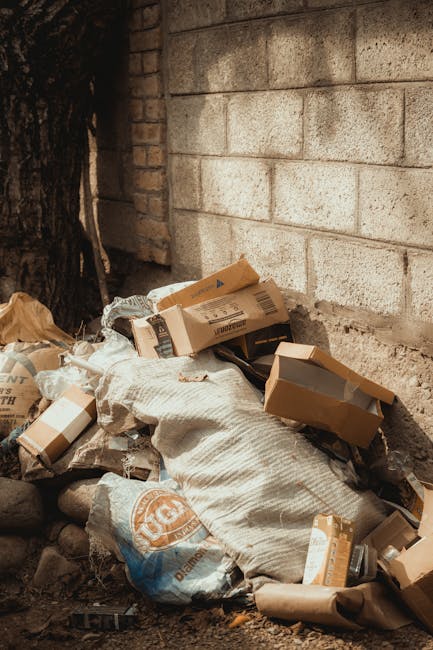
Flat rubbish removal goes wrong in predictable ways. Most of them are avoidable, which is the frustrating bit.
- Leaving waste in shared areas: Hallways and entrances are not storage space, even temporarily.
- Forgetting building rules: Some blocks have strict access windows, lift protection requirements, or loading rules.
- Guessing the volume: Underestimating a load can lead to extra trips or awkward last-minute changes.
- Mixing everything together: A pile of random waste slows down sorting and can limit recycling.
- Ignoring bulky item size: A wardrobe or sofa may not fit through the lift as-is. Measure first.
- Booking too late: If you wait until the eve of a move, you may have to work around the schedule rather than your own.
One subtle mistake is assuming a flat clear-out is identical to a generic junk job. It is not. Flats add access, noise, parking, and neighbours into the mix. That does not make the task impossible, just a bit more thoughtful.
Tools, Resources and Recommendations
You do not need a van full of equipment to make a flat clearance work, but a few simple tools make life easier.
- Heavy-duty refuse bags: Better than thin bags that split halfway down the stairs.
- Gloves: Basic, practical, and worth having if you are sorting dusty or awkward items.
- Furniture blankets or old sheets: Useful for protecting communal areas during moving.
- Measuring tape: Handy for checking lift dimensions and doorway widths before you start.
- Labels or sticky notes: Good for separating keep, donate, recycle, and remove.
- Flat-pack tools: A screwdriver or hex key set can turn one bulky job into several manageable ones.
For residents trying to decide between disposal methods, a quick look at the wider service pages can help. furniture disposal in Putney is useful if the main problem is sofas, wardrobes, or tables, while junk removal in Putney suits mixed clutter and miscellaneous items. If you are dealing with large volumes or awkward access, those distinctions matter.
People also ask whether skip hire is a good fit for flats. Sometimes yes, but often not. If your building has limited outside space, if parking is tight, or if you cannot leave a skip in place for long, then skip hire in Putney may be less convenient than a direct collection. There is no prize for making the job harder than it needs to be.
Law, Compliance, Standards, or Best Practice
For flat rubbish removal, the key compliance issue is responsible waste handling. In plain English, that means rubbish should be collected, transported, and disposed of properly, and not left in a way that causes nuisance, blockages, or avoidable mess. You do not need to memorise legislation to do the right thing, but you do need to follow sensible best practice.
As a resident, the practical points are straightforward:
- do not obstruct communal access routes
- do not dump items in shared bin areas unless they are meant to go there
- do not assume electrical or hazardous items can be treated like ordinary waste
- do not place heavy items where they could fall or cause injury
- check lease, building, or managing-agent rules before a large clearance
For service providers, trust and safety matter too. Insurance, careful handling, and worker protection are part of the standard you should expect. If you want to see how these standards are presented in practice, the company's insurance and safety information and recycling and sustainability approach are useful reads.
One more thing. If your flat contains old documents, electronics, or mixed personal items, take a minute before collection to separate anything private. It is a small job, but worth doing. Nobody enjoys a last-minute rummage through a black bag. Least of all you.
Options, Methods, or Comparison Table
Choosing the right rubbish removal method depends on access, volume, and how quickly you need the space back. Here is a simple comparison for flat residents.
| Method | Best for | Advantages | Limitations |
|---|---|---|---|
| Small bagged collection | Light decluttering, old packaging, general household waste | Quick, simple, low disruption | Not suitable for bulky furniture or heavy mixed loads |
| Flat clearance service | Multiple rooms, tenancy changes, larger clean-outs | Efficient, tailored to access issues, less lifting for you | Needs clear instructions and access planning |
| Furniture-only disposal | Sofas, beds, wardrobes, tables | Ideal for large items, often fast once access is sorted | Not the best option for mixed waste |
| Skip hire | Renovation waste, ongoing DIY projects, larger volumes | Good for repeated loading over time | Can be awkward for flats with limited parking or space |
In many Putney flats, the sweet spot is a direct collection or targeted clearance rather than a skip. That said, if you are clearing a building-sized load or dealing with ongoing works, you may need to compare methods more carefully. The right answer is usually the least disruptive one that still gets the job done properly.
Case Study or Real-World Example
A common scenario on or near Putney High Street is a flat move-out where the resident has underestimated how much has accumulated over a few years. It starts innocently enough: a chair in the spare room, two broken shelves, an old TV unit, packing boxes, and a mattress that has long outlived its welcome. Then someone opens a cupboard and, well, there it is. Extra stuff. Always extra stuff.
In a typical case, the resident separates valuables and paperwork first, then groups the disposal items by room. They measure the stairwell and realise the bed frame will not safely fit upright, so it is dismantled into smaller sections. The collection is arranged for a weekday morning so the building is quieter. Items are moved in stages rather than all at once, which keeps the hallway clear and reduces the chance of knocks and scuffs.
The result is not just a clean flat. It is a calmer handover, fewer worries about missing things, and less chance of last-minute arguments over what belongs to who. That bit matters more than people expect. Especially in shared buildings, where a tidy exit leaves everyone with a better mood.
For residents who are dealing with a more substantial emptying of a property, loft clearance in Putney can also be relevant if stored items have migrated into attic spaces or top-floor storage areas over time. And if the job is tied to a tenancy or an inherited flat, house clearance support in Putney can provide the broader framework you need.
Practical Checklist
Use this checklist before you book or start a flat rubbish removal job.
- Sort items into keep, donate, recycle, and remove
- Check what will fit through doors, lifts, and stairs
- Confirm access times for the building
- Ask whether the bin store or loading area can be used
- Measure bulky furniture if you are unsure
- Remove personal papers and valuables first
- Group items in one place without blocking fire routes
- Choose the right removal method for the load
- Prepare for awkward items such as mattresses, mirrors, and broken shelving
- Leave enough time for a final room-by-room sweep
Quick practical note: if you are clearing a flat near a busy road, timing and staging matter just as much as the waste itself. A tidy, well-planned job usually feels half the size. Sometimes more.
Conclusion
Flat rubbish removal on Putney High Street is not hard because the waste is unusual. It is hard because the building around it is shared, busy, and not always designed for bulky items. Once you plan around access, timing, and the type of waste you actually have, the job becomes much more manageable.
The main idea is simple: avoid cluttering shared areas, choose the right removal method, and handle the job in stages. Do that, and you will save time, reduce hassle, and keep things civil with everyone else in the building. Which, let's face it, is worth a lot.
If you are ready to clear a flat without the usual stress, start with a sensible plan and a clear quote. That alone can make the whole process feel lighter.
Get a free quote today and see how much you can save.



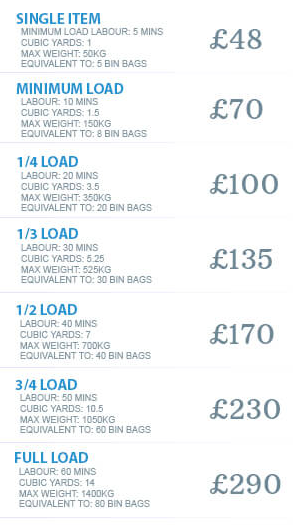
 Tipper Van - Rubbish Removal and Waste Collection Prices in Putney, SW15
  Luton Van - Rubbish Removal and Waste Collection Prices in Putney, SW15